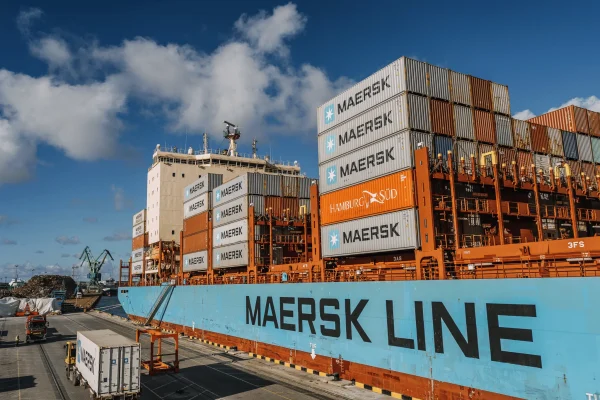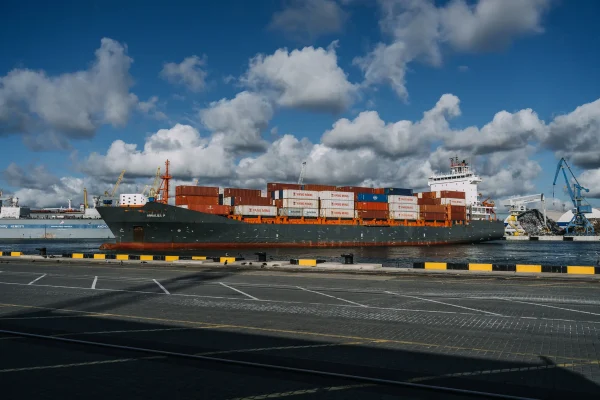

As cargo volumes grow, Full Container Load shipping is one of the most efficient sea freight options when a faster process, fewer handling stages and clear control of the entire supply chain are important.
FCL gives one shipper the entire container – allowing you to plan loading more flexibly, choose the most suitable container type and organise delivery from the loading point to the final consignee.
What is Full Container Load cargo?
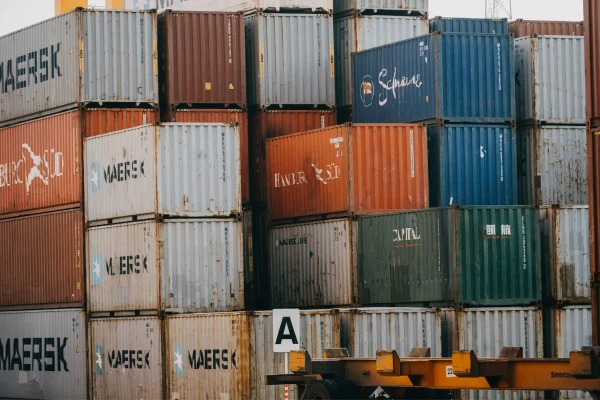
Full Container Load shipping ( Full Container Load, FCL) is a sea freight method in which the entire container is reserved for one shipper’s cargo. The container is not shared with other customers’ shipments, reducing additional handling and consolidation stages.
FCL is most often selected for larger shipments. In practice, it can become economically attractive from around 15–20 CBM, although the actual threshold depends on the route, cargo weight, local charges and current ocean freight rates.
How does FCL shipping work?
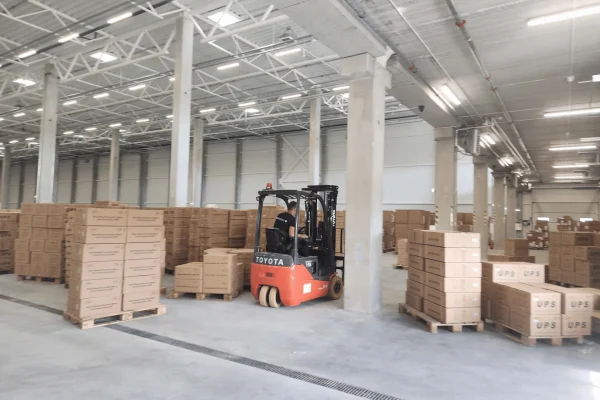
The process starts by selecting a suitable container and arranging loading. An empty container can be delivered to the shipper’s warehouse or factory, or the cargo can be brought to the loading location.
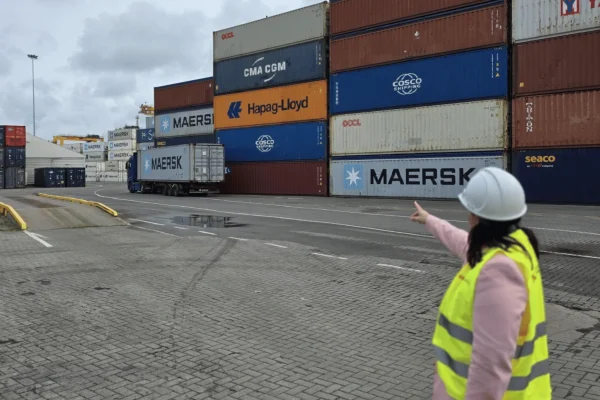
Once loaded, the cargo is properly secured, the container is sealed and delivered to the port of departure. After export formalities are completed, the container is loaded onto the vessel and shipped to the destination port.
On arrival, import and customs procedures are completed, the container is collected from the terminal and delivered to the consignee for unloading, after which the empty container is returned according to the shipping line’s terms.
| Etapas | Veiksmas |
|---|---|
| Container selection | The container type is selected according to cargo volume, weight and characteristics |
| Loading | The cargo is loaded and secured, and the container is sealed |
| Export and terminal | Documentation is completed and the container is delivered to the port of departure |
| Sea freight | The container is shipped via the selected sea route to the destination port |
| Import and delivery | Import procedures are completed, the container is delivered to the consignee and the empty container is returned |
What can be shipped in FCL containers?
FCL is suitable for a very wide range of cargo. The key is to select not only the correct container size but also the right construction for the cargo dimensions, weight, temperature requirements and loading method.
Standard cargo
20′ ST / 40′ ST / 40′ HC
Palletised goods, textiles, electronics, furniture, equipment, boxes and other dry cargo. This is the most widely used FCL solution.
Temperature-controlled cargo
20′ RF / 40′ HCRF
Food products, raw materials, pharmaceuticals and other cargo that must be kept at a specified temperature during transport.
Overheight cargo
20′ OT / 40′ OT
Equipment and structures that cannot be conveniently loaded through standard container doors. An Open Top container allows loading from above.
Heavy and oversized cargo
20′ FR / 40′ FR
Industrial equipment, machinery and non-standard-size cargo requiring a Flat Rack container and specialised securing.
Liquid cargo
ISO TANK / TC
Liquids and certain chemicals are transported in specialised tank containers selected according to the product’s characteristics and safety requirements.
High-volume cargo
40′ HC / 45′ HCPW
When cargo is not particularly heavy but occupies a large volume, higher-capacity High Cube or 45-foot containers allow space to be used more efficiently.
What should you consider?
Although the entire container is dedicated to one shipper, cargo at sea is exposed to vibration, vessel movement and changes in temperature and humidity. It must be properly packed, protected from moisture and securely fastened inside the container to prevent movement during transport. Correct weight distribution and compliance with the container's permitted payload are especially important.
Before shipping, it is essential to check the free container usage period (free time) granted by the shipping line. Demurrage is generally charged when a container remains at the terminal too long, while detention applies when it is kept outside the terminal beyond the allowed period. Exceeding free time can lead to additional charges, so customs procedures, unloading and empty-container return should be planned in advance.
The carrier's liability is not equal to the full value of the cargo, so additional cargo insurance is recommended for valuable or sensitive goods. ICC A conditions generally provide the broadest cover, although the exact scope, exclusions and price depend on the nature of the cargo, the route and the insurer's terms.
The container is selected according to cargo volume, weight, dimensions and any special requirements. Before the container can be loaded onto a vessel, its Verified Gross Mass (VGM) must be provided. The maximum permitted cargo weight varies by container type, equipment manufacturer and shipping-line requirements, so it must be checked before loading.