
Bulk cargo is an important part of global trade – grains, fertilisers, minerals, cement, coal and many other raw materials are transported in bulk.
Efficient bulk transport requires the right mode of transport, handling equipment and protection against moisture, contamination and other risks specific to the cargo.
What is bulk cargo?
Bulk cargo ( dry bulk cargo) means dry, unpackaged materials or materials transported in large quantities that can be loaded loose into a vessel’s hold, rail wagon, silo truck or specially prepared container.
Bulk cargo can be dry or liquid. This page specifically covers dry bulk cargo – grains, minerals, fertilisers, cement, wood pellets and other dry bulk commodities.
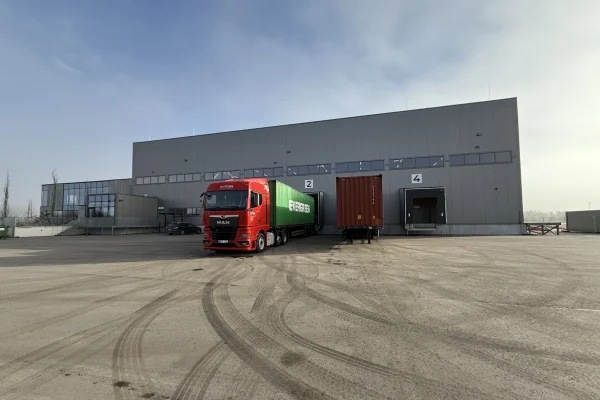
The transport solution depends on cargo quantity, density, moisture, hazard characteristics and loading and unloading possibilities. Smaller quantities can be shipped in bags or big bags, or in containers with bulk liners, while large flows can be moved by bulk carriers, rail wagons or other specialised transport equipment.
How is bulk cargo transported?
The process starts with an assessment of cargo properties and quantity. Bulk cargoes vary greatly in density, moisture sensitivity, dustiness, flow characteristics and hazard properties, so there is no single solution suitable for every product.
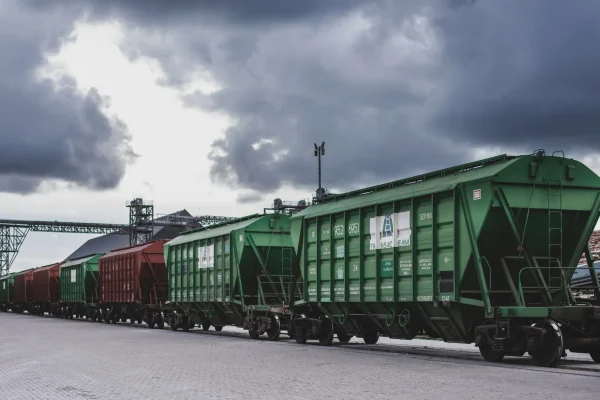
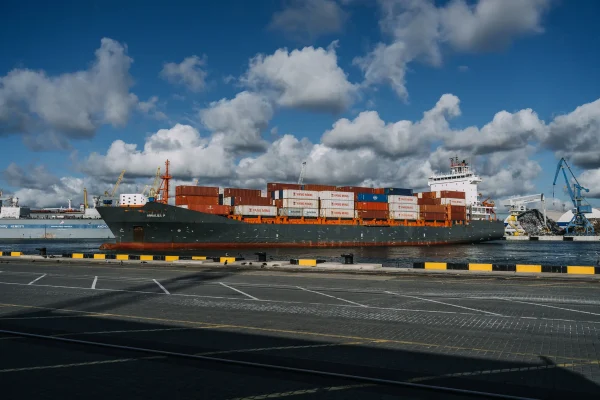
Based on this information, the mode of transport and loading form are selected – from bags, big bags or a container liner to a specialised rail wagon or bulk carrier.
Before transport, handling infrastructure and documentation are also coordinated, together with quality, phytosanitary, food-safety or dangerous-goods requirements where applicable.
| Etapas | Veiksmai |
|---|---|
| 1. Cargo assessment | Quantity, density, moisture, dustiness, flow properties and other characteristics |
| 2. Solution selection | Bags, big bags, container liner, rail wagon, silo truck or bulk carrier |
| 3. Preparation and documentation | Cleanliness of the carrying space, packaging solution, certificates and other product-specific documents |
| 4. Loading and transport | The cargo is loaded with suitable equipment and transported via the selected route |
| 5. Unloading and delivery | Unloading at the terminal or consignee’s site, quality control and onward delivery as required |
What can be shipped?
Dry bulk cargo covers a very wide range of products – the suitable transport method is selected according to the specific product and quantity:
Grains and agricultural commodities
Wheat, barley, maize, soybeans and feed ingredients. Moisture control, cleanliness and, where applicable, phytosanitary requirements are important.
Minerals and raw materials
Ore, coal, sand, gravel and other mineral raw materials. Cargo density, dustiness, moisture and handling infrastructure are assessed.
Fertilisers and dry chemical products
Mineral fertilisers, soda ash, potassium chloride and other bulk chemicals. Transport conditions depend on the properties and classification of the specific product.
Cement and construction materials
Cement, clinker, limestone and similar bulk construction materials. Protection from moisture and a suitable enclosed handling system are especially important.
Wood pellets and biomass fuels
Wood pellets, sawdust and other bulk biomass. Moisture must be controlled, ventilation ensured and the risk of self-heating assessed.
Bulk food-industry raw materials
Flour, sugar, cocoa powder, starch and other bulk food ingredients. Hygiene, clean carrying spaces and food-safety requirements are important.
What should you consider?
Some bulk cargoes are sensitive to moisture, while temperature changes during transport can cause condensation. Grain may deteriorate, cement may harden and fertiliser may cake. The solution is selected according to the cargo: a dry and clean container or hold, moisture absorbers, suitable ventilation or a dedicated bulk liner.
Smaller quantities can be transported in bags or big bags, while dry bulk cargo in containers can use specialised bulk liners. Large quantities are often shipped by bulk carrier or through a specialised terminal solution. Flexitanks are intended for liquid cargo and are not a solution for dry bulk products.
For bulk cargo, it is important to assess in advance how the product will be loaded and unloaded. Depending on the product, hoppers, conveyors, elevators, grabs, pneumatic systems or other specialised equipment may be required. Suitable infrastructure directly affects handling speed, losses and the final transport cost.
Agricultural and food products may be subject to phytosanitary, veterinary or food-safety requirements depending on the specific commodity, country of origin and destination. It is therefore important to check before shipment which certificates, laboratory tests or control procedures apply to your cargo.
Some bulk cargoes are dusty, abrasive, corrosive, prone to heating or capable of contaminating other products. Before selecting transport equipment, cargo density, moisture, flow characteristics, possible dangerous-goods classification and the previous use of the carrying space or hold must be assessed.