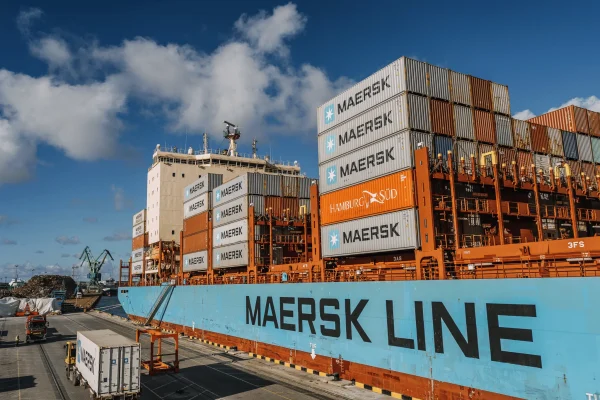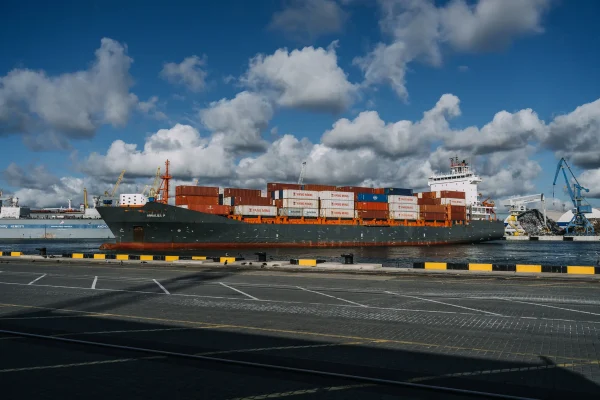

For a growing business that does not yet need a full container, LCL makes it possible to import smaller shipments regularly and manage inventory more efficiently.
Ship as much as you need, when you need it – paying only for the space your cargo occupies in the container.
What is Less than Container Load cargo?
Less than Container Load shipping ( Less than Container Load, LCL) is a sea freight method in which goods from several different shippers are consolidated in one container. You reserve only the space required for your cargo, making LCL an economical solution for smaller shipments that do not require a full container.
How does LCL shipping work?
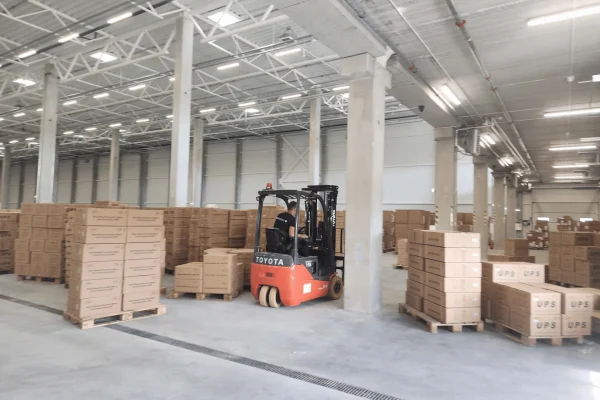
The LCL process begins when the cargo is delivered to our partner or consolidation warehouse in the country of origin. There it is checked, prepared for dispatch and combined with cargo from other shippers in one container.
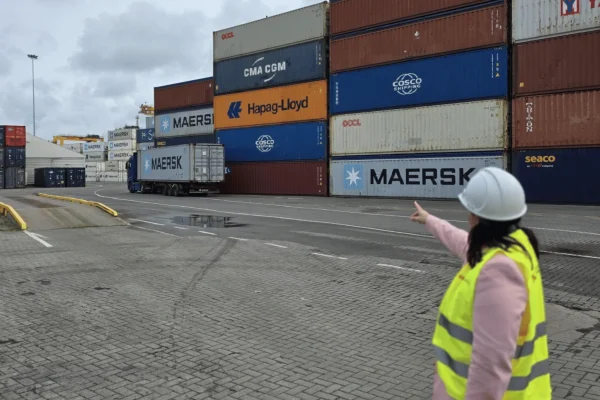
The consolidated container is shipped by sea to major European ports using the most suitable route available at the time, from where the cargo is forwarded to the Baltic region.
On arrival, the container is deconsolidated, the required customs procedures are completed and the individual shipment is delivered to the final consignee in Lithuania or another Baltic country.
| Etapas | Location / Activity |
|---|---|
| Cargo receipt | The cargo is delivered to a partner or consolidation warehouse in the country of origin |
| Konsolidacija | The cargo is consolidated with shipments from other customers |
| Sea transit | The container is shipped by sea to major European ports via the selected route |
| Dekonsolidacija | The container is unloaded and separated into individual shipments at the destination warehouse |
| Delivery | The individual shipment is delivered to the final consignee in Lithuania or other Baltic countries |
What can be shipped?
LCL is suitable for many standard, well-packed goods when the volume is not sufficient for a full container. Typical cargo includes:
Small consumer goods
Textiles, accessories, small household products and other goods that are easy to consolidate.
Electronics and household appliances
These can be shipped in smaller quantities, but strong packaging, impact protection and clear labelling are especially important.
E-commerce goods
A convenient way to replenish stock according to actual demand without tying up working capital in a full container.
Cosmetics and food supplements
Suitable where no special temperature regime is required. Additional documentation may be needed depending on the product.
Spare parts and components
Suitable for equipment parts, components and production materials when the quantity is not sufficient for a full container.
Trial and seasonal shipments
A good option for new product batches, samples or seasonal stock replenishment when flexible shipment size is important.
What should you consider?
During LCL consolidation and deconsolidation, cargo may be handled and unloaded several times, so packaging must be robust and suitable for a longer transport chain. We recommend moisture-resistant materials, securing goods properly on pallets and clearly marking every package with consignee and shipment details.
Additional cargo insurance is also recommended for LCL shipments, particularly for higher-value or damage-sensitive goods. Suitable cover is selected according to the nature and value of the cargo, the route and the contractual terms.
LCL transit time is often longer than FCL because cargo receipt, consolidation, deconsolidation and possible intermediate transshipments are added to the sea voyage. This additional time should be considered when planning inventory.
LCL pricing is usually calculated according to the chargeable cargo volume or weight, depending on the carrier's tariff. The more accurately you provide the packed dimensions, weight, number of packages and collection and delivery locations, the more accurate our quotation can be.