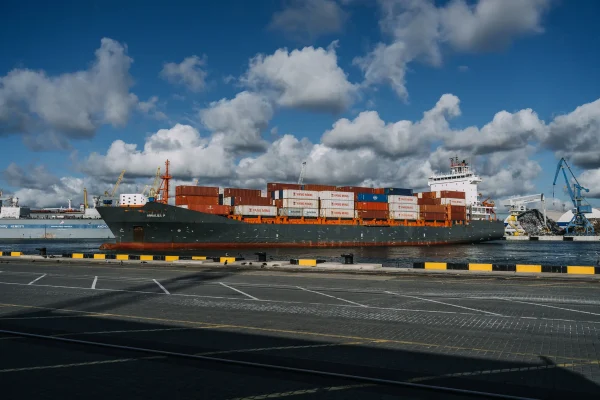

Metal cargo is dense, heavy and often high-value, so transport planning must consider not only volume but also weight, weight distribution, handling possibilities and protection from damage.
The right transport and securing solution allows metals to be moved safely in containers, on platforms, as breakbulk or as project cargo.
What is metal cargo?
Metal cargo covers a wide range of products – from steel coils, sheets and profiles to aluminium plates, copper wire, metal billets, structures and special alloys. It is one of the densest cargo groups, so weight limits are often reached before volume limits.
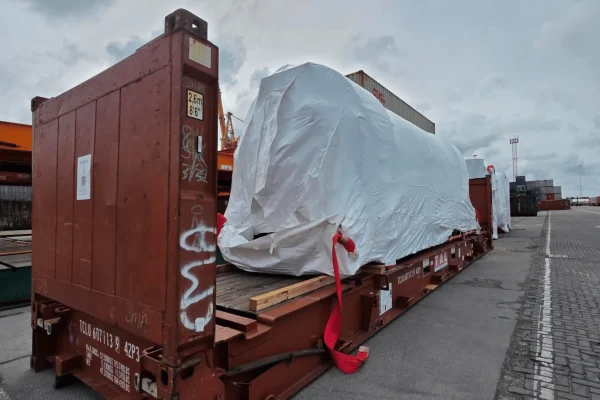
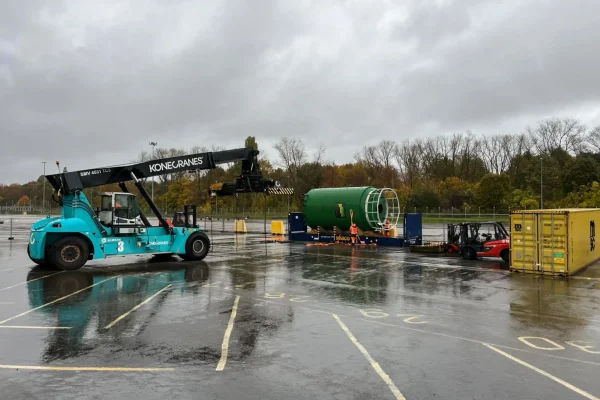
Depending on dimensions, unit weight and handling possibilities, metals can be transported in standard 20- or 40-foot containers, Open Top or Flat Rack containers, road platforms, by rail, as breakbulk or on specialised vessels.
It is especially important to know the exact weight and dimensions of each unit, its centre of gravity and the total shipment weight. These details determine the container or vehicle selection, handling plan, securing solution and the ability to deliver the cargo safely to its final destination.
How is metal cargo transported?
The process starts with accurate cargo data: quantity, dimensions, unit and total weight, packaging, loading location and required handling equipment.
Based on this information, the most suitable transport method is selected and a loading plan prepared. For dense and heavy cargo, both total mass and weight distribution and concentrated loads must be assessed.
Before dispatch, the cargo is protected against moisture and mechanical damage, secured correctly, and the required customs, origin and product documentation is prepared for the specific shipment.
| Etapas | Veiksmai |
|---|---|
| 1. Cargo assessment | Dimensions, unit and total weight, centre of gravity, packaging and handling possibilities |
| 2. Transport selection | Standard container, Open Top, Flat Rack, platform, breakbulk or another solution |
| 3. Loading plan | Payload, weight distribution, floor loading and handling equipment are checked |
| 4. Protection and securing | Protection against moisture, surface damage and cargo movement during transport |
| 5. Documentation and customs | Product classification, origin, customs documents and trade-measure checks |
| 6. Transport and unloading | Delivery, unloading equipment and final-site infrastructure are coordinated |
What can be shipped?
Metal cargo differs in form, weight and value, so the most suitable transport, handling and protection solution is selected for each group:
Ferrous metals
Steel, cast iron and other ferrous alloys. Because of their high density, weight, handling and protection against moisture and corrosion must be planned accurately.
Non-ferrous metals
Aluminium, copper, zinc, lead and products made from them. These are often high-value cargoes, so protection against damage is important.
Semi-finished metal products
Steel coils, sheets, wire, bars, billets and other semi-finished products. The transport solution is selected according to unit weight and dimensions.
Metal structures
Beams, columns, frames, pipes and prefabricated structures. Long or non-standard units may be transported in Open Top or Flat Rack containers or as breakbulk.
Scrap metal and recycling materials
Ferrous and non-ferrous scrap and raw materials intended for recycling. Cargo status, loading method and possible waste-shipment requirements must be assessed.
Special alloys
Titanium, nickel alloys, molybdenum and other specialised materials. These are often transported in smaller, high-value lots where accurate documentation and protection are important.
What should you consider?
Metal cargo is very dense, so container or vehicle weight limits are often reached before the available volume is fully used. Before loading, the maximum gross mass and payload shown on the specific container's CSC plate must be checked together with carrier, terminal and road-transport restrictions. Both total weight and its distribution, including concentrated loads on the container floor, are important.
Steel and some other metals can be damaged by moisture, condensation and salts during sea transport. Protection is selected according to the type of metal and surface sensitivity and may include moisture-barrier materials, VCI protection, desiccants, protective oils or other measures. Packaging and protection should not contribute to condensation and must remain effective throughout the transport period.
Coils, sheets, bars and other heavy metal units must be loaded so that they cannot shift, tip over or damage the container or other cargo during transport. The securing solution depends on cargo shape, weight, centre of gravity and the selected transport equipment. A pre-planned loading and securing scheme is recommended for heavy or non-standard units.
When importing metals into the European Union, customs duties and additional trade measures depend on the CN/TARIC code, country of origin and specific product. Certain steel, aluminium and other products may be subject to anti-dumping, countervailing or other trade-defence duties. Tariffs and origin requirements should be checked before the cargo is ordered, not only after it arrives in the EU.
For high-value or sensitive metal cargo, cargo insurance and its exclusions should be assessed. Insurance terms differ, so it should not be assumed that every policy automatically covers corrosion, moisture damage or the consequences of inadequate packing. Before dispatch, it is useful to photograph the cargo condition, packaging and loading and retain weight and packing documents.
Scrap metal may be subject not only to transport rules but also to waste-shipment and environmental requirements. Before transport, it is important to determine whether the material is legally treated as a product, raw material or waste and prepare the required documentation and destination acceptance accordingly.