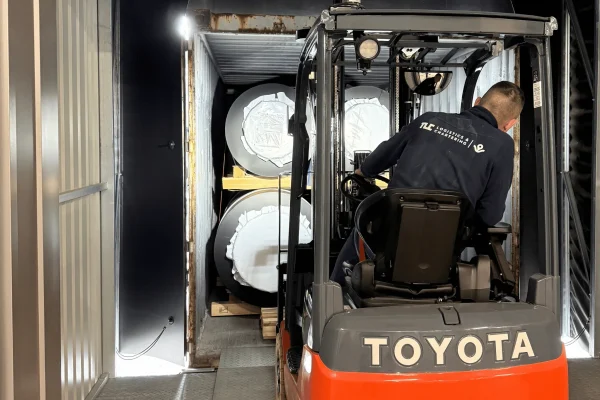

E-commerce logistics must operate quickly and accurately – from inventory replenishment to delivery of the order to the end customer.
A well-planned supply chain helps prevent stockouts, shorten order-processing times and ensure a smooth customer experience.
What is e-commerce cargo?
E-commerce cargo consists of goods sold online that need to be imported, stored, picked and delivered to the end customer on a regular basis. Such flows often involve a broad SKU range, varying order quantities and high requirements for delivery speed and inventory accuracy.
E-commerce logistics is more than transport alone. It includes transport planning, customs procedures, warehousing, inventory management, packing, labelling, order fulfilment, last-mile delivery and returns management.
How is e-commerce cargo transported?
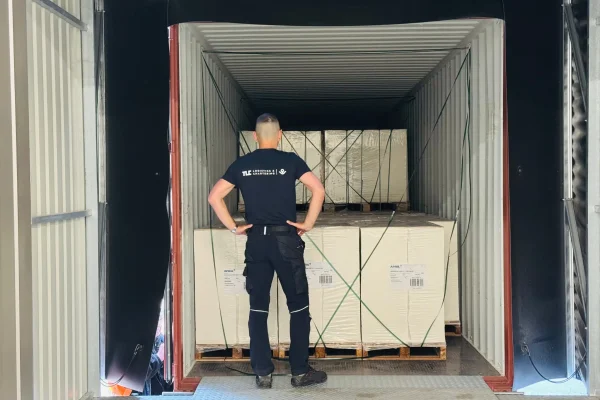
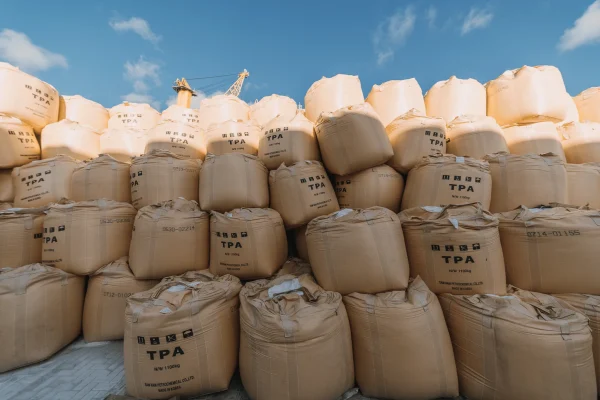
Goods are collected from the supplier in the country of origin and, depending on volume and urgency, transported by sea in LCL or FCL containers, by rail or by air. On arrival, customs procedures are completed and the goods are delivered to a warehouse in Lithuania or another selected market.
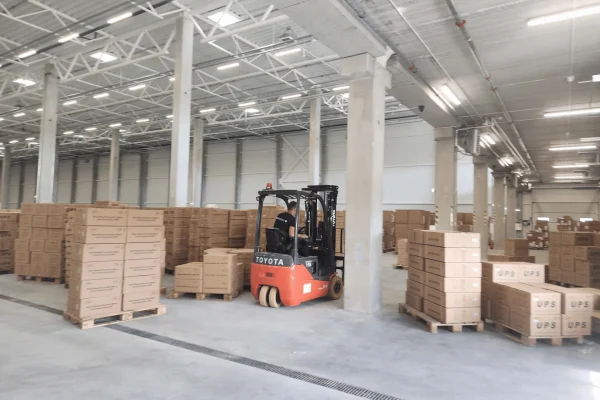
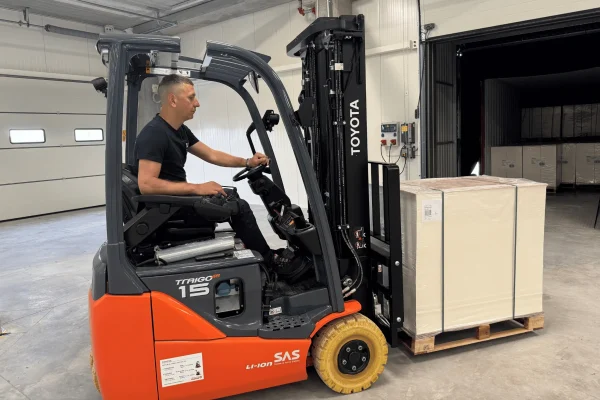
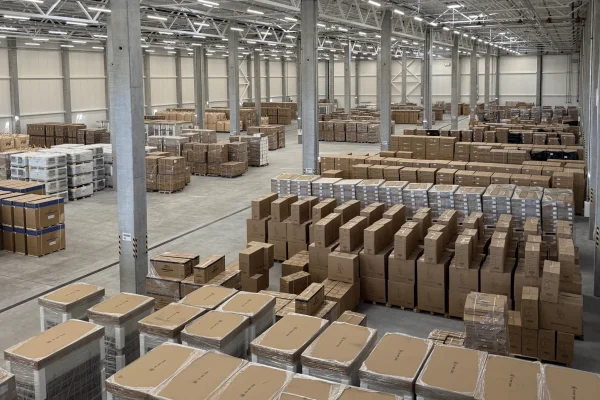
At the warehouse, goods are received, checked and entered into the WMS and, where required, labelled or repacked. When an order is received from the online store, the goods are picked, packed and handed over to a courier or other last-mile partner.
Air freight can be selected for urgent stock replenishment or new-product launches, while regular and more price-sensitive flows are usually more economical by sea.
| Mode of transport | Indicative transit time* | Best suited when |
|---|---|---|
| Sea (LCL) | ~45–60 d. | Regular stock replenishment in smaller batches |
| Sea (FCL) | ~45–60 d. | Larger volumes and regular full-container shipments |
| Rail | ~16–20 d. | When faster transit than sea is needed and the route is available |
| Air (standard) | ~3–7 d. | Urgent replenishment, new products and higher-value goods |
| Air (urgent) | ~1–3 d. | Critical stock shortages or time-sensitive shipments |
* Transit times are indicative and depend on the route, origin, transshipments, seasonality, customs procedures and the specific carrier schedule.
What can be shipped?
E-commerce logistics is suitable for a very wide range of products. The product type, packaging, labelling, documentation and delivery-time requirements should be assessed in advance:
Fashion products and accessories
Clothing, footwear, textiles, accessories and other consumer goods that require regular inventory replenishment.
Electronics and household appliances
Small electronics, accessories and household appliances. Impact protection, battery requirements and product documentation must be considered.
Home and leisure products
Household, sports, hobby and seasonal goods that can conveniently be shipped in partial or full container loads according to sales volume.
Cosmetics and beauty products
Cosmetics, beauty products and similar goods can be transported, but labelling and product-compliance requirements must be assessed before import.
Components and spare parts
Small components, parts and spares with a broad assortment that require accurate labelling, inventory control and warehouse processes.
Seasonal and new-product shipments
For new-product launches, promotions or seasonal peaks, the transport mode is selected according to the deadline – from economical sea freight to express air freight.
What should you consider?
Efficient e-commerce logistics benefits from integration between the online store (for example Shopify, WooCommerce or Magento) and the warehouse management system (WMS). Order data is then transferred automatically, inventory is updated in real time and the warehouse can begin picking and dispatch more quickly.
Monitor inventory continuously and define replenishment thresholds in advance. A new supplier order should be initiated before stock reaches a critical level, taking production, transport and customs lead times into account. This reduces the risk of a product appearing available online when it is already out of stock in the warehouse.
In e-commerce, packaging directly affects delivery quality and return rates. Products should be properly protected and marked with SKUs, barcodes or other required identifiers. When 3PL services are used, the warehouse can handle picking, repacking, labelling, shipment preparation and returned-goods administration.
When importing goods, correct HS codes, a commercial invoice, packing list and any other product-specific documents are required. Cosmetics, food supplements, electronics, batteries and other regulated goods may be subject to additional labelling, safety, certification or import requirements, so these should be assessed before the first shipment.