

Shipping Container Types and Sizes
Choosing the right shipping container helps use space efficiently, protect cargo and optimise transport costs. Below you will find the main 20, 40 and 45-foot container sizes and the most commonly used container types.
The right container for every cargo
Size, type and purpose
From standard and high-cube containers to reefers, tank containers and flat racks, the right type depends on cargo dimensions, weight, characteristics and loading method.
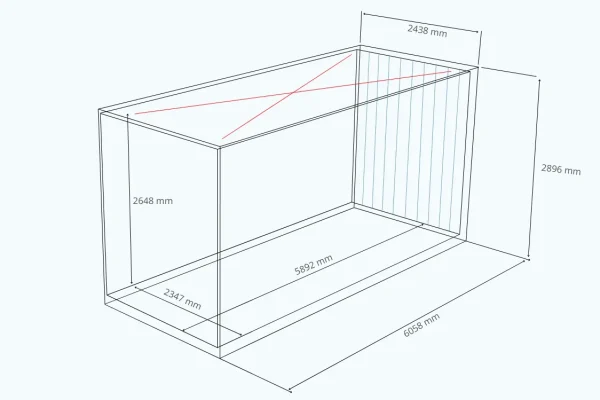
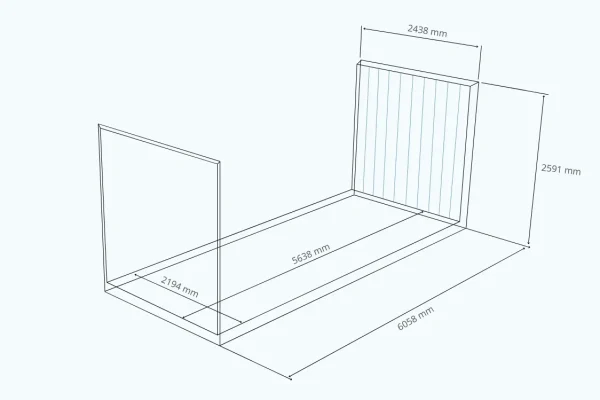
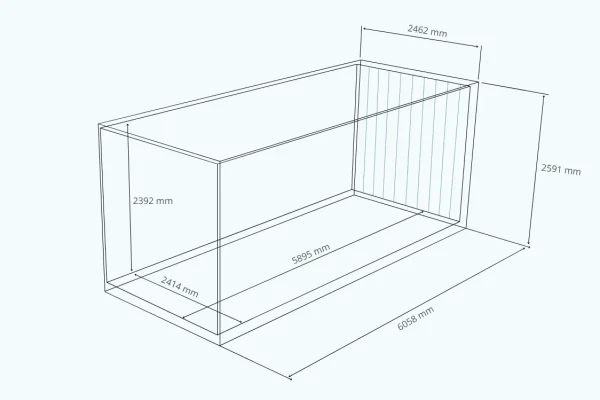
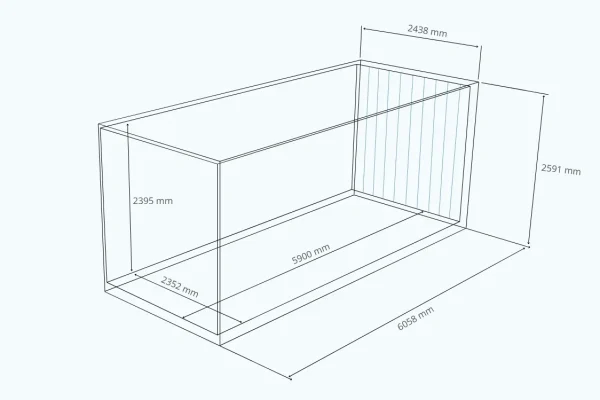
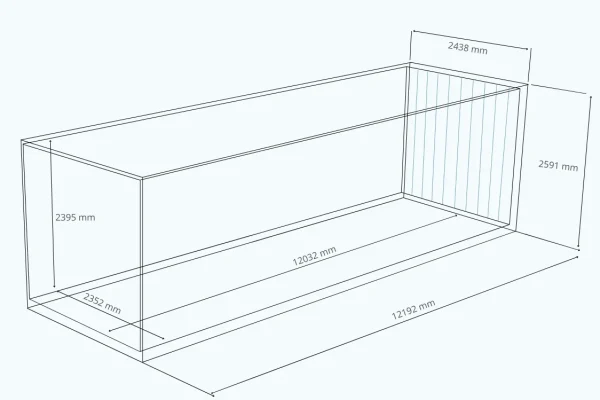
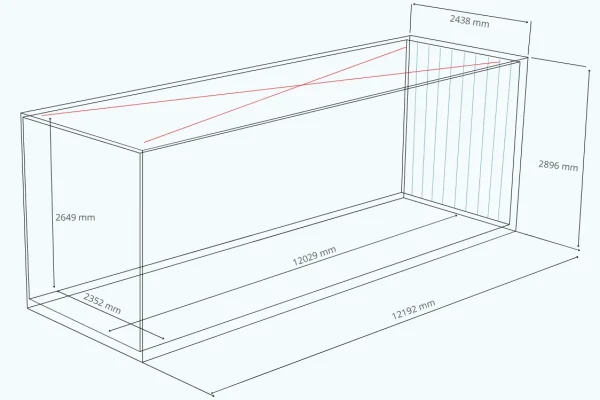
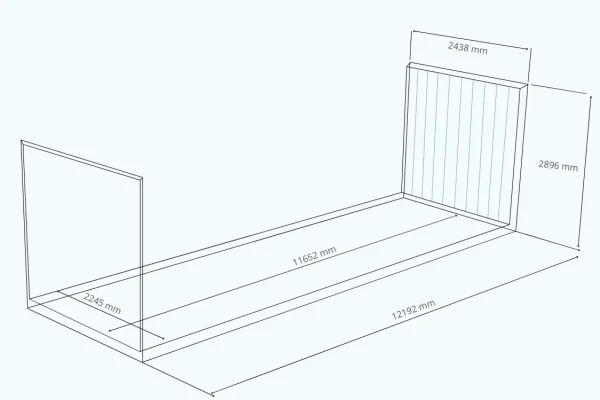
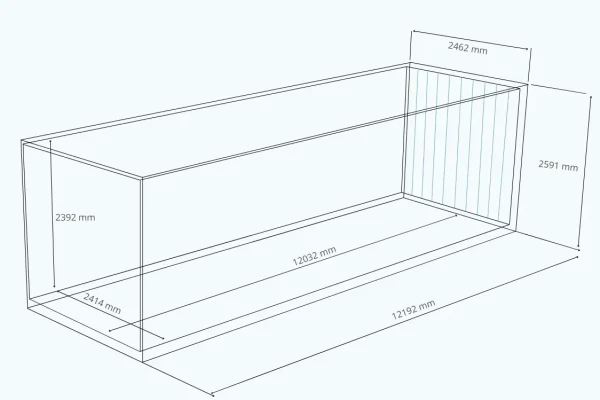
Shipping container types by purpose
Container design should match the loading method, required transport conditions and whether the cargo fits standard dimensions.
ST – Standard
Standard enclosed container for general cargo.
HC – High Cube
A taller standard container offering additional internal volume.
PW – Pallet Wide
A wider container designed for efficient Euro-pallet loading.
RF – Reefer
Temperature-controlled container for perishable and temperature-sensitive cargo.
OT – Open Top
Open-top container for cargo loaded from above or exceeding standard height.
FR – Flat Rack
Platform-type solution for heavy, wide or oversized cargo.
TC – Tank Container
Tank container for transporting liquids, gases or chemicals.
HT – Hard Top
Container with a removable hard roof for convenient top loading.
How to choose the right container?
When choosing a container, consider not only its length but also the actual cargo dimensions, weight, loading method and any special transport requirements.
- Cargo volume and weight – how much space is required and what the total load will be.
- Cargo dimensions – whether the cargo fits through the doors and inside a standard container.
- Loading method – through the doors, from above or using special lifting equipment.
- Temperature requirements – whether a reefer container is required.
- Cargo characteristics – whether it is liquid, dangerous, heavy or oversized cargo.
Frequently Asked Questions
Container size depends on cargo volume, weight, dimensions and loading method. A 20-foot container often suits heavier, lower-volume cargo, while 40 or 45-foot containers are better for higher-volume cargo.
High Cube (HC) containers are taller than standard containers and provide additional usable volume. They are particularly suitable for lighter, high-volume cargo where maximising internal capacity is important.
A reefer (RF) container is used when a set temperature must be maintained during transport. It is suitable for temperature-sensitive food, raw materials, pharmaceuticals and other goods requiring controlled conditions.
Open Top (OT) containers suit tall cargo that is easier to load from above, while Flat Rack (FR) containers are used for heavy, oversized or non-standard cargo that does not fit an enclosed standard container.
A Pallet Wide (PW) container is wider and designed to use Euro-pallet layouts more efficiently.
Nominal 20, 40 and 45-foot container sizes are standardised, but exact internal dimensions, door openings, tare weight and payload may vary slightly by container model or shipping line. We therefore recommend checking the specific container specification before loading.