
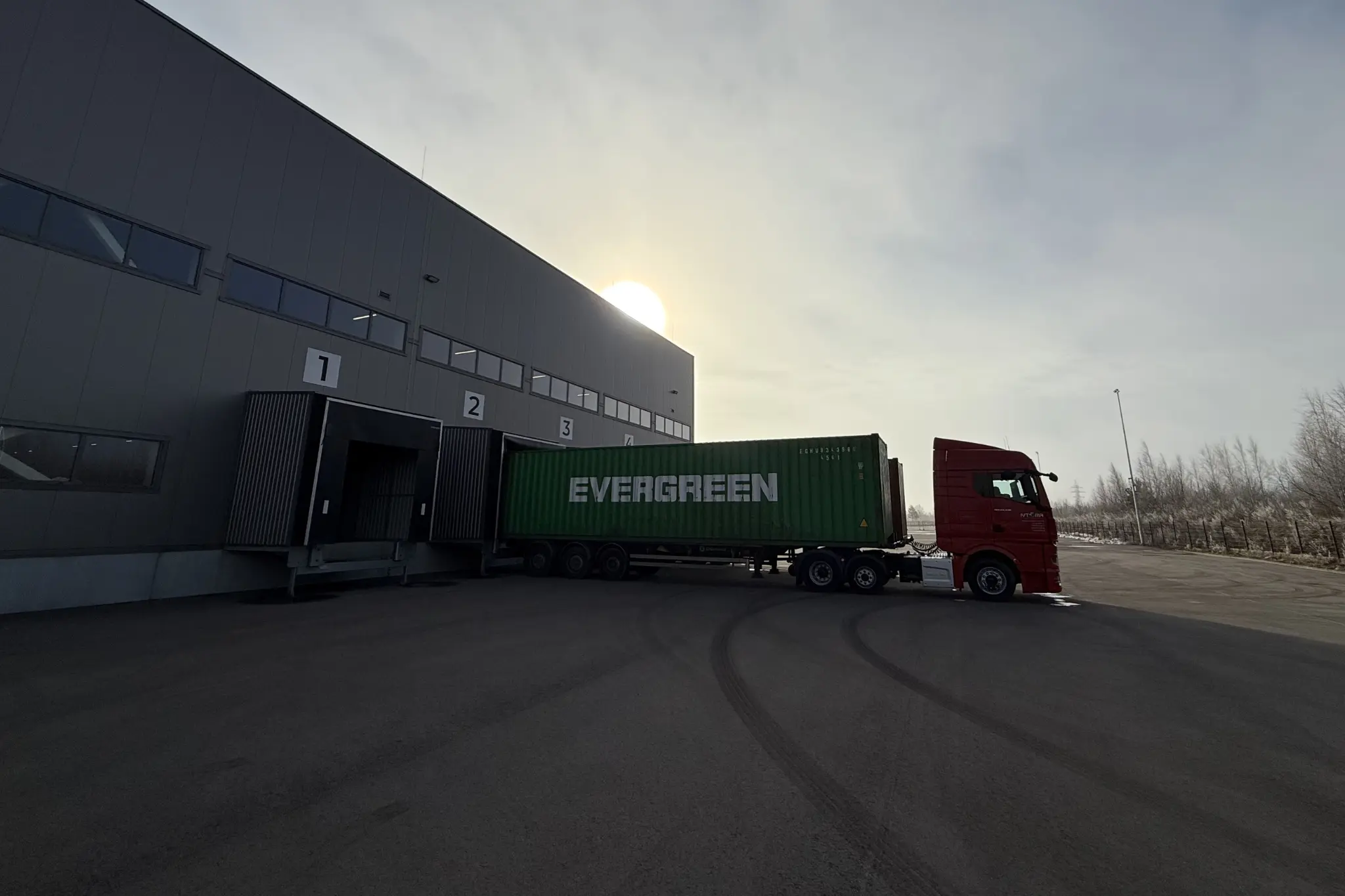
Warehousing services in Klaipėda allow businesses to manage inventory, cargo flows and the entire logistics chain more flexibly. Growing together with our clients’ needs, we currently provide warehousing services in a new 5,500 sq. m warehouse in Klaipėda.
As our Managing Director Žilvinas Urbonas notes, a customer-focused approach allows warehousing solutions to be tailored to specific business needs and helps ensure that cargo is handled efficiently and safely.
Warehousing services tailored to business needs
Warehousing requirements vary depending on the type of cargo, the supply chain and the intensity of goods movement. We therefore offer both short-term and long-term solutions that can be combined with cargo handling, customs and distribution services.
What warehousing services do we provide?
- Long-term and short-term storage of goods and other cargo.
- Loading and unloading of containers and trucks.
- Customs documentation for imported, exported or transit goods.
- Real-time order and inventory management.
- Quality and quantity inspection of goods.
- Labelling and packing services.
- Storage of oversized cargo in open yards.
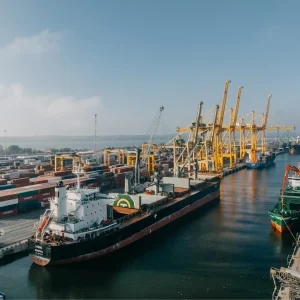
Strategic location near the Port of Klaipėda
According to Žilvinas Urbonas, our warehousing locations are strategically situated in convenient areas of the Port of Klaipėda, where clients have access to both enclosed warehouses and open storage yards with the infrastructure and equipment required for cargo handling.
The Klaipėda State Seaport Authority also provides information about port warehousing capacity and infrastructure.
“A customer-focused approach allows us to tailor warehousing services to specific business needs and ensure efficient and safe cargo management.”Žilvinas Urbonas, Managing Director of TLC Logistics
Warehousing as part of the entire logistics chain
Warehousing services in Klaipėda can be integrated with cargo transport, customs procedures, handling operations and distribution. This means the client does not need to coordinate several service providers separately, and the movement of goods can be managed as one consistent process.